

Chưa phân loại
Rodeo Casino Color Scheme and Accessibility UK User Review
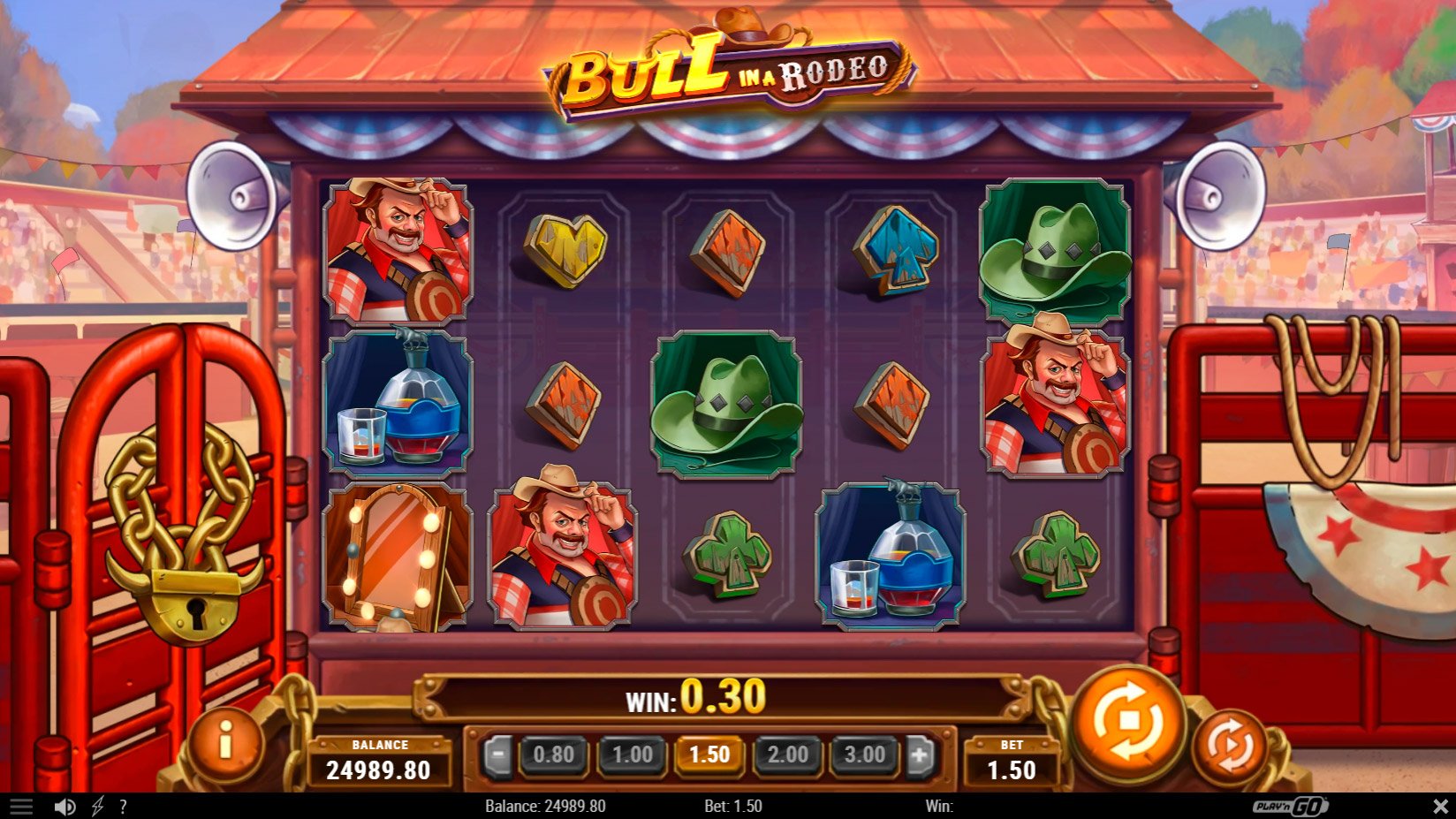
I have spent a lot of effort evaluating online casinos, and I have come to consider a site’s visual design as a core element. It is not just about appearance. It directly impacts how you use the site, how you feel about the brand, and whether you can use it at all if you have any visual impairments. Accessing Rodeo Casino’s UK site for the first time, its look was immediately different. It wasn’t another neon-drenched, city-themed clone. This review isn’t about bonuses or game counts. Rather, I’m conducting a close look at the specific colours Rodeo uses and assessing what that means for regular accessibility for players across the UK. I will analyze the psychology of the palette, how well it works to direct you through the site, and, critically, how it measures up against official Web Content Accessibility Guidelines (WCAG). The goal is to see if this design is just skin-deep or if it’s built to accommodate everyone. How a casino blends its theme, its colours, and basic usability reveals much about what it values. My experience with the site provides a definite answer on where Rodeo Casino stands on this.
An Initial Look: Analyzing the Rodeo Palette
Rodeo Casino fulfills its name through a color palette that brings to mind old western landscapes—dusty earth and sun-bleached wood—not the flash of a Vegas strip. The main background is a deep, warm charcoal, almost black. It functions as a sophisticated dark canvas. This isn’t paired with a glaring white, but with a soft, creamy off-white employed for text boxes and cards. That choice cuts down on harsh glare, a smart move for anyone considering a long browsing session, which many UK players do. The standout accent colour is a rich, earthy terracotta. You see it on all the main buttons, highlights, and anything you need to click. It is complemented by secondary accents in a muted gold and occasional dusty blues. The whole effect is one of warm contrast. Psychologically, it avoids the high-strung, anxiety-triggering reds you often find in this industry. It fosters a feeling of grounded calm. These colours look selected to fight visual tiredness, a real factor in responsible gaming that doesn’t get talked about enough. The theme is cohesive and grown-up. It’s a clear branding decision that helps Rodeo stand out in the packed UK market.
Color Contrast and Readability: A Core Accessibility Metric
Beyond first impressions, any colour scheme has to pass technical tests for contrast. The WCAG 2.1 AA standard states standard text needs a contrast ratio of at least 4.5:1 against its background. Using colour analysis tools to test Casino Rodeo Free Spin Wins, I found the main body text—that creamy off-white on the deep charcoal—scores very high. It blows past the minimum requirement. This ensures legibility for users with moderate sight issues or anyone gaming in less-than-perfect light. The terracotta accent on the dark background, utilized for bigger text or icons, also complies with room to spare. But I did spot some finer details. Smaller bits of text, sometimes in a lighter grey on the dark background, can move closer to the minimum line. They likely still pass, but it’s a spot that demands watching. On a positive note, the site does not rely on colour alone to share important info. A green success message always comes with a checkmark icon. That’s a key WCAG rule. For most UK users, reading the site is easy and easy on the eyes. The core contrast decisions are solid. They demonstrate Rodeo’s designers had basic accessibility on their checklist from the beginning, and that’s a good start.
Navigation Clarity and Interactive Elements
Colours should help you use a site, not just admire it. Rodeo features its signature terracotta here with clear strategy. Every primary button—’Deposit’, ‘Spin’, ‘Claim’—is this distinct colour against the dark background. It becomes a visual beacon. Because the styling is consistent, a UK visitor quickly understands to scan for this shade to find the next step. These buttons also show clear states: they darken noticeably when you hover over them, and they change again when clicked. That feedback is essential. Importantly, this interactivity isn’t shown by a colour change alone. The buttons also get a subtle shift in border style or shadow, which follows WCAG rules about providing non-colour cues. Navigation menus have high contrast, and the page you’re on is marked clearly. During my time on the site, I never wondered what was clickable. The visual hierarchy built by colour, size, and placement makes sense. It lowers mental effort, letting players concentrate on the games instead of puzzling over the interface. It’s a strong system that works for newcomers and regulars alike. It proves the rustic theme doesn’t sacrifice clear, modern user experience basics.
Inclusivity for Colour Vision Deficiency (CVD)
A genuinely inclusive design should operate for the about 1 in 12 men and 1 in 200 women in the UK with a type of colour vision deficiency, usually red-green blindness. This is the area where many themed sites stumble. Rodeo’s distinctive palette, nevertheless, stands better than you would think. The key accent is a terracotta orange, rather than a pure red. It sits in a wavelength that creates fewer problems for common types like deuteranopia or protanopia. Using various CVD simulation filters over the site demonstrated the terracotta interactive elements stayed distinct from the dark and neutral backgrounds. The muted gold and dusty blue secondary colours also preserved their separation. A critical point is that the site never uses colour as the sole way to give important information. Game categories or bonus statuses, such as, use labels and icons as well as any colour coding. Link text is not only coloured but also underlined when you hover, offering a second way to detect it. No design can be perfect for every form of CVD, but Rodeo’s avoidance of tricky red-green combos and its use of supporting patterns and labels show more foresight than the industry typically manages. It suggests an awareness that the UK audience is varied, and that accessibility should be part of the brand’s visual core.
Night Mode Considerations and Visual Comfort
Currently, dark mode is something users just expect. Rodeo Casino’s design is naturally a dark-themed interface. This provides instant benefits for visual comfort, particularly in low-light settings popular with players in the evening. The deep background lowers the overall screen brightness and limits blue light emission, which can ease eye strain over long periods. But a proper dark mode also has to control brightness contrasts carefully to avoid “halation,” where bright text seems to glow on a dark field. Rodeo’s use of a creamy off-white in place of pure white for text handles this well. The contrast is enough to read easily but soft enough to be gentle. The careful use of the brighter terracotta and gold accents forms focal points without being shocking. For users with light sensitivity or certain visual stress conditions, this controlled setting can be much more accessible than the stark white backgrounds many competitors still use. I should point out the site doesn’t have a user-controlled switch to change between light and dark modes. Since the default is a well-executed dark theme, the lack of a switch seems less critical. The design understands the modern UK user’s inclination toward darker interfaces and incorporates it as a core part of the brand, not an afterthought.
Opportunities for Enhancement and Closing Assessment
The analysis is largely favorable, but a honest critique has to note where things could be enhanced. My key advice for Rodeo Casino would be to improve focus visibility. Interactive elements have solid hover effects, but the default focus outline for keyboard navigation—essential for motor-impaired users or keyboard-only users—is a bit faint. Making this outline stronger and more prominent would ensure full keyboard accessibility. Additionally, as the site adds new content, preserving those good contrast values on every text element will require ongoing vigilance. This is especially true for promotional banners with text over images. Implementing an high-contrast mode option could be a forward-thinking move, serving users with greater visual impairments. And needless to say, guaranteeing every image and graphic has proper alternative text descriptions is a must-do task to achieve the full accessibility setup.
So, what is the final verdict? Rodeo Casino’s strategy to color and usability shows how you can achieve a powerful aesthetic and accessible design in one package. The color scheme isn’t a arbitrary aesthetic decision. It’s a useful structure that improves readability, clarifies navigation, and soothes the eyes. Its results under WCAG contrast tests and colour deficiency simulations are strong. This suggests a sincere effort for a wide variety of UK users. A few adjustments, especially regarding focus indicators, would improve it further. But the core is extremely solid. For players fed up with visually chaotic or poorly contrasted gaming sites, Rodeo offers a sleek, user-friendly, and thoughtfully crafted space. It demonstrates that valuing accessibility doesn’t restrict innovation. In fact, it’s a sign of a grown-up, user-focused brand. After this in-depth assessment, I can say Rodeo Casino sets a high bar for visual design accessibility in the UK’s online gaming scene.
