

Chưa phân loại
Visualisation Approaches for Lucky Jet Game Employed by UK Players
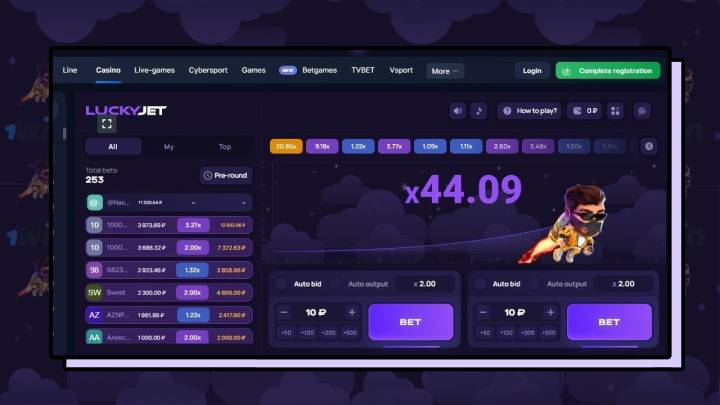
For players of the Lucky Jet Card Withdrawal Jet game, the unpredictable nature of each round, where a character jets off to an unknown multiplier, poses a unique challenge. While the outcome is governed by a certified random number generator, many UK players are adopting cognitive strategies, notably visualisation techniques, to improve their focus and decision-making during gameplay. These methods are not about predicting the future but about developing a more refined, more disciplined approach to handling bets and spotting patterns in one’s own habits. By visualising potential scenarios, players strive to build a mental framework that supports calmer, more strategic play. This approach aligns with a growing interest in the psychological aspects of gaming within the UK, where players seek to enhance their understanding of risk and reward with mental conditioning.
Practical Application During Gameplay
When the round is active and the jet is flying, the real-time application of mental imagery starts. This is where the pre-session mental training is tested. The central technique here is the development of a “mental model” of the present round. Players often visualise their cash-out point as a clear, bright line or a certain gate the jet must traverse. As the multiplier rises, they concentrate on that mental marker rather than the mounting potential winnings, which can obscure judgement. Another useful method is to imagine the stake not as money, but as a neutral token or resource designated for that specific round. This psychological distancing can diminish the emotional weight of the decision, permitting for a more clinical execution of a pre-planned strategy.
Many UK players find it helpful to practice a form of ongoing mental commentary. They inwardly narrate the action: “The jet is at 2x, my first target is 1.5x, so I am already in profit. I will not get greedy. If it reaches 3x, I will cash out half.” This self-talk, directed by envisioned rules, holds the conscious mind engaged with the strategy and away from panic or euphoria. Furthermore, imagining the act of cashing out—the physical motion of clicking the button and seeing the confirmation—before it happens can make the real execution feel like a trained, certain step rather than a stressful, last-minute gamble. This changes the decision from a responsive one to a deliberate, controlled action.
Creating a Sustainable Visualisation Routine

For visualisation techniques to be effective for Lucky Jet gameplay, they must move beyond occasional use and become a regular routine. Discipline is key, much like honing any other skill. Players are encouraged to dedicate a few minutes daily, separate from actual gaming time, to mental rehearsals. This could involve sitting quietly, closing one’s eyes, and walking through the entire process from login to logoff, highlighting disciplined decisions. Over time, this builds neural pathways that make disciplined behaviour more automatic during real sessions. Recording observations in a journal after sessions—what was visualised versus what actually happened emotionally—can provide valuable feedback to refine the techniques.
It is also essential to integrate these practices with the robust responsible gambling tools provided by licensed platforms like Lucky Jet. Visualising the use of these tools is part of the routine. Players should mentally rehearse setting deposit limits, activating loss limits, and using reality checks. The ultimate aim of visualisation in this context is to foster a healthier, more detached, and strategic relationship with the game. The UK’s approach to safer gambling emphasises player control and informed decision-making, and mental preparation through visualisation aligns perfectly with these principles. It shifts the focus from hoping for a win to executing a plan with precision, regardless of the individual round’s outcome.
Grasping the Function of Mental Readiness in Gambling
Participating productively with quick chance-based games like Lucky Jet requires beyond simply quick reactions; it demands significant psychological fortitude. The pressure of observing the multiplier climb and determining the specific time to cash out can lead to hasty choices fueled by sentiment as opposed to reason. Cognitive training through visualization serves as a barrier versus these spontaneous reactions. By repeatedly simulating the game pattern and their optimal reactions in their thoughts, users can condition themselves to stay detached and logical during the actual occurrence. This technique is similar to the strategies used by competitors and entertainers around the UK, who imagine achievement to improve delivery under strain. For a Lucky Jet player, the ‘performance’ is the series of choices they undertake: when to join a round, what wager to put, and crucially, when to withdraw.
Core Imagery Methods for Lucky Jet
Multiple specific visualisation techniques have gained traction among committed UK players. These methods are intended to be practised both during and between gaming sessions, creating a continuous loop of mental training and practical application. The goal is to make the desired thought processes automatic, reducing the cognitive load during the intense moments of a live round. It’s important to note that these strategies do not alter the game’s randomness but aim to enhance the player’s control over their own actions and emotional responses, which are the only true variables they can influence.
Pre-Game Scenario Mapping
Before even logging into their account, focused players often spend a few minutes in quiet visualisation. They mentally plan their intended session, picturing themselves setting strict loss limits and profit goals. They visualise the interface, the rising curve of the Lucky Jet multiplier, and themselves calmly clicking the cash-out button at various predetermined points. This mental rehearsal of discipline is vital. They also imagine scenarios of loss, envisioning themselves accepting the outcome without deviation from their plan and logging off. This ‘negative visualisation’ or premeditatio malorum, a Stoic practice, helps inoculate against frustration and the temptation to chase losses, a common pitfall the UK Gambling Commission frequently warns against.
A “Pattern Recognition” Mental Drill
While each Lucky Jet round is independent, players often employ visualisation to sharpen their observational skills regarding statistical behavior over time. A common technique involves mentally examining recent rounds—not to find a nonexistent winning pattern, but to visualise the distribution of crashes. Players might envision a graph, mentally charting where the jet has vanished across, say, the last 50 rounds. This abstract mental graph helps solidify the understanding of volatility and randomness. During play, they might then visualise this abstract distribution as a backdrop to the live round, reassuring themselves that any outcome is part of a random series. This helps overcome the “gambler’s fallacy”—the mistaken belief that a certain outcome is “due” after a streak.
Typical Questions on Visualization for Lucky Jet
Numerous players exploring these approaches have questions about their practical implementation and constraints. Answering these assists clarify that imagery is a instrument for self-mastery, not a way to obtain an unfair edge. The following points touch on some of the most common questions from the UK gaming community.
Will visualisation promise wins in Lucky Jet?
Absolutely not. Visualisation does not and cannot influence the random number generator that dictates where the Lucky Jet character exits in each round. Its goal is exclusively to enhance the player’s mental condition, self-control, and commitment to a predetermined strategy. It assists control emotions, which can stop costly hasty decisions, but it cannot change the fundamental odds of the game. Any approach asserting otherwise should be viewed with extreme scepticism.
What period does it take to see outcomes from these techniques?
Results are personal and measured in behavioural changes, not automatically financial return. Some players may detect an increased sense of command within a few rounds, while for others, it may take weeks of regular practice. The key indicators are:
- Decreased frequency of chasing losses.
- Increased dedication to predetermined cash-out points.
- A more composed emotional state during and after gameplay.
- More steady use of safe gambling resources like session limits.
Is it possible these techniques be used with other casino games?
Yes, the core principles of visualisation and mental discipline are transferable to many other kinds of gaming and betting. Regardless of whether it’s visualising hand ranges in poker, keeping control in blackjack basic strategy, or managing bet sizes in sports betting, the same concepts are relevant. The fast-paced, repeating nature of crash games like Lucky Jet makes them a particularly appropriate choice for these methods, as they require rapid, multiple decisions under tension. The UK’s broader gambling audience often shares such psychological methods across different game types to encourage smarter play.
