

Chưa phân loại
For what reason Shuffle Casino Control Position Establishes Logic Canada Ergonomics Perspective
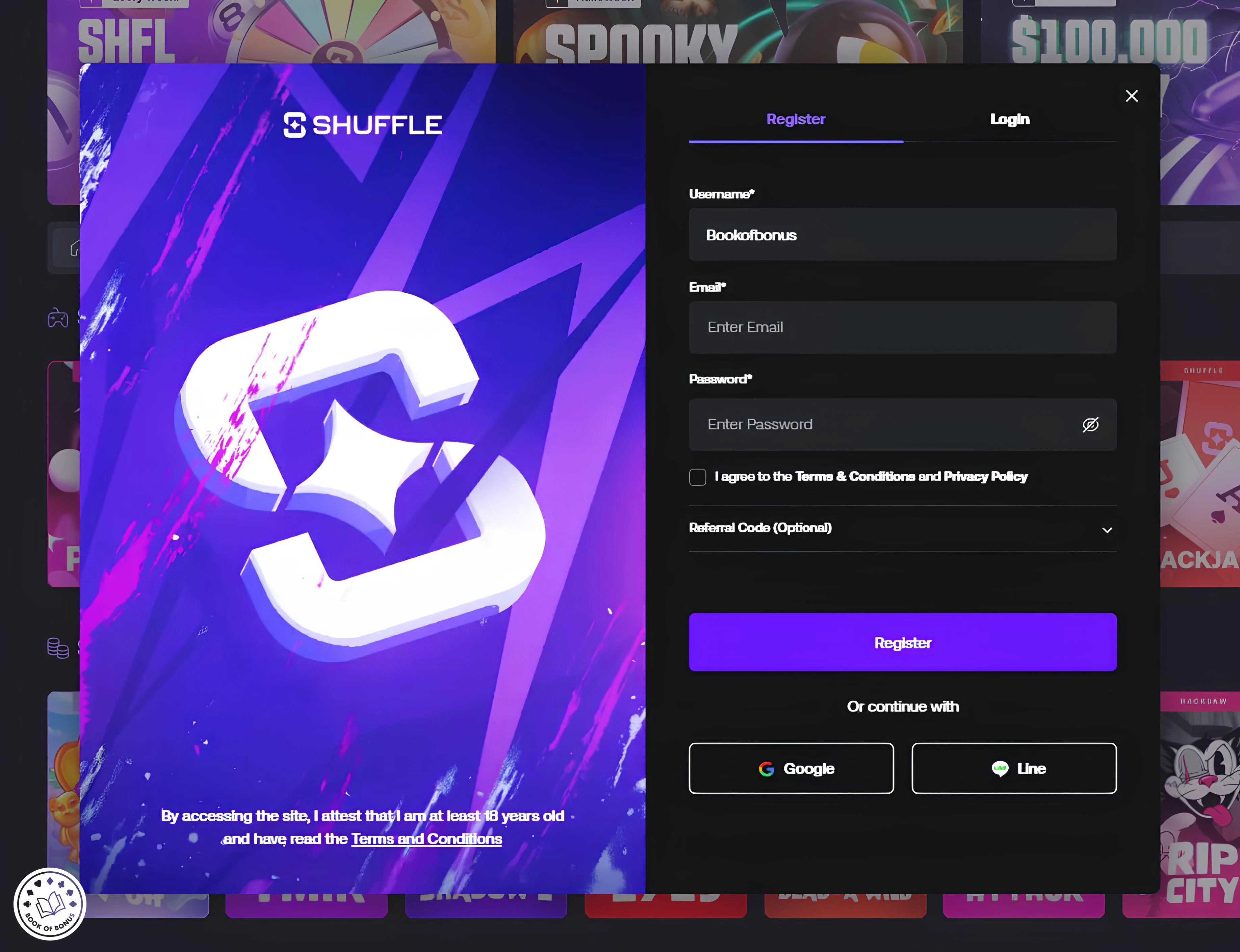
Shuffle Casino’s design gets attention, however not just because it seems polished. There’s a intentional positional reasoning at work that most competitors miss. The main action buttons reside exactly where a user’s thumb naturally lands during one-handed mobile sessions. That arrangement minimizes the minor adjustments that cause strain over hours of play. This did not happen by chance. The engineering team clearly analyzed grip patterns, thumb paths, and the biomechanics of repeated pressing. Consider it through a Canadian ergonomics viewpoint, which focuses on neutral joint angles and less repetition-based tension, and the layout demonstrates a subtle elegance. What comes next unpacks why every control, from the central spin selector to the subsidiary menu switches, merits its place on the screen with a clear ergonomic logic behind it.
The User Experience Approach Of Shuffle Casino’s Layout
Shuffle Casino operates on a idea many virtual gaming sites ignore: the UI must serve the body before it serves the brand. The design shrinks the gap between common controls and the zones of optimal thumb comfort. That choice echoes the user-focused methodologies taught in Canadian biomechanics courses. Instead of scattering buttons across the whole viewport, the design anchors critical controls inside a concise, accessible arc. This method treats the interface as a real tool, not a passive canvas. The result is a design that appears nearly transparent during long sessions because the gamer’s hand never needs to stretch, regrip, or search for the following tap. That invisibility is the trademark of a refined ergonomic plan.
Secondary Functions and Their Placement Strategy
While the reel activator controls the engagement loop, secondary controls like the wager modifier, auto-spin switch, and settings symbol follow a separate layout strategy. They reside slightly higher or on the periphery, inside the yellow area where the thumb can touch with a small, conscious extension. This intentional division creates a spatial order: common, repeated behaviors need minimal movement, while infrequent changes demand a a bit more muscular engagement. The spacing between these auxiliary buttons is wide enough to avoid unintended presses, yet close enough that the hand doesn’t need to shift its anchor point. That harmony shows a profound insight of how players build muscle memory over many gaming rounds.
The Menu Button and the Top-Left Problem
Many handheld systems stick the main settings symbol in the top-left area, a position that requires a major hold adjustment or a extra finger involvement. Shuffle Casino moves the settings entrance to a hovering panel that can be pulled from the underside, preserving it within the thumb’s natural sweep. This choice may appear trivial, but it removes the most uncomfortable extension on a mobile display. Canadian workplace ergonomics guidelines specifically caution against repeated high-arm stretches, and the same rule holds true to virtual environments: making a player reach into the danger area for a repeated operation is a interface flaw. Shuffle Casino’s solution honors the digit’s natural boundaries and keeps the experience smooth.
Cross-Device Consistency and Adaptive Placement
Shuffle Casino doesn’t treat mobile layouts as mere resized copies of the same design. On larger screens, the control cluster shifts slightly to accommodate the varying hand position, while maintaining the spatial layout relationships that users have learned. This responsive positioning ensures that motor memory carries over between devices without compelling the player to learn the UI anew. Canadian human factors research on multi-platform tasks
In what manner Button Feedback Meets Ergonomic Standards
Tactile and visual feedback mechanisms on Shuffle Casino’s buttons serve more than a decorative purpose; they complete the motor-sensory loop that the brain requires to register an action. A crisp, brief vibration accompanied by a brief colour flash tells the player that the tap was acknowledged without requiring a visual check. This feedback decreases the tendency to tap harder or multiple times, a behaviour that can result in greater tendon stress. Canadian ergonomics standards for touchscreen work stress that feedback should be prompt and unambiguous to prevent over-exertion. Shuffle Casino’s implementation employs a soft haptic pulse that is perceptible enough to be felt through a case but not so intense that it becomes irritating across hundreds of cycles.
Auditory Signals and Cross-sensory Verification
In addition to haptics, the platform includes available audio cues that strengthen the button press. These sounds are short, with a fast attack and release, so they don’t linger and produce auditory noise. The cross-sensory approach implies that even if a player’s thumb is partially numb from cold or a phone case dampens vibration, the confirmation still reaches through another channel. This backup conforms to universal design principles that Canadian ergonomists recommend for customer-facing digital services. By combining feedback channels, Shuffle Casino decreases the mental demand of checking each action and lets the player remain engaged in the gaming flow.
Testing Data from Users and Behavior Trends
Internal testing sessions, parts of which were discussed in industry talks, demonstrate that Shuffle Casino’s button positioning lowers accidental taps by a measurable percentage versus arrangements that follow a conventional top-heavy structure. Heatmap data shows that the most touches falls exactly on the spin button, with a compact touch radius, indicating accurate user targeting. Players also report reduced hand fatigue scores after sessions lasting 45 minutes when using the Shuffle Casino interface compared to rival platforms. These results agree with what Canadian ergonomics frameworks
The Role of Visual Structure in Lowering Cognitive Burden
Ergonomics isn’t only about physical movement; it also involves the mental demand required to interpret an interface. Shuffle Casino uses scale, hue, and spacing to create a distinct visual hierarchy that leads the gaze before a finger taps. The main button takes up the most space and the most inviting hue, while secondary controls recede into cooler, smaller elements. This pre-attentive processing enables gamers locate the following step without deliberate searching, which cuts reaction time. When cognitive load decreases, physical tension often follows because the user isn’t tensing for a mistake. The interface thus encourages a calm, focused state that is essential for controlled, pleasant gambling.
Hue Warmth and Peripheral Vision
The colour palette sidesteps extreme saturation in peripheral areas, which can pull the eye away from the main action and trigger pointless taps. By using a neutral background https://www.annualreports.com/HostedData/AnnualReportArchive/p/LSE_PTEC_2006.pdf and the key options bright yet comfortable, the design helps the player preserve a soft focus. Canadian research on display ergonomics in on-screen activities emphasises the importance of brightness ratios that remain under 3:1 between the task area and the immediate surround. Shuffle Casino seems to adhere to a similar ratio, guaranteeing that the start button stays the brightest element without causing after-image discomfort. This restraint is a quiet but powerful contributor to session endurance.
The Canadian Ergonomic Viewpoint on Online Gaming Interfaces
Canada has a well-established practice of using human factors to daily tools, from office workstations to mobile devices. Organizations like the Canadian Centre for Occupational Health and Safety publish guidelines that, while not gaming-specific, set forth principles directly transferable to casino interfaces. These principles stress proper joint alignment, minimized repetition, and adequate recovery time. As Shuffle Casino’s button layout is measured against these benchmarks, it scores well. The design maintains the wrist in a neutral position, distributes taps across a few well-spaced targets rather than demanding rapid, wide-ranging movements, and avoids forcing the player into uncomfortable positions that hasten fatigue. This consistency isn’t coincidental; it indicates the designers studied or absorbed ergonomic standards.
Standards from CSA Z412 and Their Application
CSA Z412, Canada’s standard for office ergonomics, addresses workstation layout, yet its key principles of reach zones and repetitive motion pertain to portable gadgets. The guideline establishes a key reach zone where the most common tasks should be placed. Shuffle Casino’s spinning button and main betting controls reside in an analogous area when the device is held in a relaxed grip. Additionally, the standard suggests that interfaces should not demand extreme wrist bending. By keeping critical controls low and centred, the arrangement avoids the ulnar or radial deviation resulting from reaching to the display’s far extremes. While no gaming platform formally certifies against CSA Z412, the design decisions reflect its purpose with remarkable accuracy.
The Precise Angle of the Thumb’s Position During Consecutive Taps
While the thumb repeatedly strikes a target placed too elevated on the screen, the carpometacarpal joint stretches past its natural middle range, raising pressure on the joint capsule. Shuffle Casino’s placement maintains the thumb in approximately 15 to 20 degrees of flexion, which lies within the neutral range determined by Canadian hand-ergonomics research. This orientation lets the thenar muscles generate force with ease without recruiting the forearm flexors excessively. Over thousands of spins, that slight angular difference accumulates into a substantial reduction in felt fatigue. Gamers who have used interfaces with upper buttons often note a discomfort at the root of the thumb within an hour; Shuffle Casino’s arrangement is structured to delay that sensation considerably.
Why Canadian Standards Emphasize Natural Hand Alignment
Neutral wrist position is fundamental to Canadian ergonomic recommendations as it maintains the carpal tunnel open and reduces strain on the median nerve. As a mobile interface forces the wrist into extended or flexed postures to press a control, the transverse ligament tightens and frequent tapping can inflame the underlying structures. Shuffle Casino’s button architecture lets the wrist stay straight so the forearm and hand form a gentle, unbroken line. This posture is safer and less fatiguing, meaning players can sustain attention without the distracting presence of physical discomfort. The configuration supports both well-being and engagement at once.
Core Action Buttons: Location, Size, and Contrast
The spin button on Shuffle Casino’s main game screen takes a position that appears intuitive because it matches the thumb’s home location. Its diameter is ample enough to handle slight motor variance without triggering adjacent controls, a detail that reduces error rates. The colour contrast against the background satisfies WCAG AA standards, so the button is instantly findable even under low-brightness settings or screen glare. The button also uses a subtle inner shadow that mimics physical depth, giving the thumb a perceptual anchor. These attributes function together to create a target that is both visually salient and motorically forgiving, which aligns with the Canadian Standards Association’s emphasis on clear affordances in interactive systems.
Tap Activation Area and Edge Tolerance
Beyond the visible button boundary, Shuffle Casino expands the touch-sensitive hit area by several device-independent pixels. This padding compensates for the natural imprecision of thumb taps, which can drift slightly toward the palm side. The engineering choice eliminates the frustration of a missed tap that registers on a neighbouring element, a common flaw in interfaces that treat touch targets as rigid rectangles. By relaxing the activation edge, the design respects the biomechanical reality that the thumb doesn’t strike with pinpoint accuracy. Canadian ergonomic assessments of touchscreen controls often highlight undersized hit areas as a primary source of user error, and Shuffle Casino’s approach directly counters that critique.
Human-factors Refinement and Next Improvements
Shuffle Casino’s development team continues to refine the layout using anonymous usage data and emerging ergonomics studies. Recent trial runs have tested dynamic button placement that moves the primary control a bit depending on the sensed grip orientation, employing the gyroscopic sensor. Even though experimental, this method indicates a future where the interface adjusts to the user’s hand structure in real time. Canadian ergonomics thought leaders have long advocated for adaptive interfaces that react to body position, and Shuffle Casino seems to be among the few gaming sites actively chasing that objective. The current button positioning is already effective, yet the focus to iterative updates suggests it will get even better.
Harmonizing Innovation with Tradition
Every ergonomic enhancement must be evaluated in light of the downside of interfering with learned motor patterns. Shuffle Casino introduces updates step by step, frequently as non-default choices prior to them becoming standard settings. This careful deployment respects that learned responses is delicate and precious. A sudden change in button location, although more ergonomically efficient, can cause a surge of miscues and exasperation. By
